By Graham Fisher
Updated November 2026
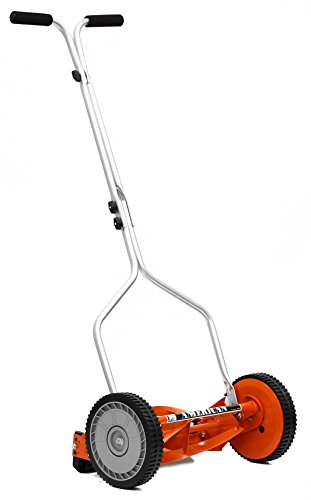
Shoppers looking at the fiskars staysharp max reel mower usually want to know one thing: is it the right size and style of reel mower for their lawn? This guide compares six push reel mowers by cutting width, blade count, build style and the kind of yard each one suits. The Fiskars is the anchor here, and the other five give you a realistic set of alternatives when you need a different width or a different price-to-features balance.
Our top picks at a glance
- 1
 TOP CHOICEBest overallFiskars StaySharp Max Reel MowerView on Amazon
- 2
 TOP CHOICEBest for wider cutsLawnMaster 20" 5-Blade Push Reel Lawn Mower – LMRM2001View on Amazon
- 3
 TOP CHOICEBest for small, tight yardsLawnMaster LMRM1801 Push Reel Lawn Mower 18-Inch 5-BladeView on Amazon
- 4
 Best for fine turfScotts 716-18S 18-Inch 7-Blade Push Reel Lawn Mower, GreenView on Amazon
- 5
 Best for a classic budget pickScotts 2000-20S 20-Inch 5-Blade Push Reel Lawn Mower, GreenView on Amazon
- 6
 Best for a traditional buildGreat States 815-18 18-Inch 5-Blade Push Reel Lawn Mower, GreyView on Amazon
Our Top Picks
| Product | Best for | Key feature |
|---|---|---|
| Fiskars StaySharp Max | Small to medium lawns | 46 cm cut, non-contact system |
| LawnMaster LMRM1801 | Tight, narrow yards | 18-inch, 5 blades |
| Scotts 2000-20S | Wider flat lawns | 20-inch, 5 blades |
| Scotts 716-18S | Fine turf and detail | 18-inch, 7 blades |
| LawnMaster LMRM2001 | Larger open lawns | 20-inch, 5 blades |
| Great States 815-18 | Traditional reel fans | 18-inch, 5 blades |
Fiskars StaySharp Max Reel Mower
FiskarsCutting width: 46 cm, StaySharp Max, Black/Orange/Silver, 1000591 Spindle mower, lawn mower with non-contact cutting system
Best for: Small to medium lawns that need a clean, low-effort cut.
This is the model the keyword points to. Its 46 cm cutting width suits most suburban front and back yards without making the mower hard to push or store.
Pros
- 46 cm cut width covers a good footprint per pass
- Non-contact cutting system is designed to keep blades from wearing against the bed knife
Cons
- Not suited to very large or rough lawns
LawnMaster LMRM1801 Push Reel Lawn Mower 18-Inch 5-Blade
LawnMaster LMRM1801 Push Reel Lawn Mower 18-Inch 5-Blade
Best for: Tight, narrow yards and side strips.
An 18-inch deck makes turns and edges easier, which suits townhouse lots and narrow strips between beds.
Pros
- Compact width is easy to maneuver around obstacles
- Five blades give a clean, even cut at typical reel heights
Cons
- Takes more passes on large open lawns
Scotts 2000-20S 20-Inch 5-Blade Push Reel Lawn Mower, Green
Scotts 2000-20S 20-Inch 5-Blade Push Reel Lawn Mower, Green
Best for: Wider, flat lawns on a modest budget.
Owners often pick this model for its 20-inch deck, which covers more ground per pass on level turf.
Pros
- 20-inch width speeds up mowing on flat lots
- Simple, durable design with few parts to service
Cons
- Heavier to push than narrower models
Scotts 716-18S 18-Inch 7-Blade Push Reel Lawn Mower, Green
Scotts 716-18S 18-Inch 7-Blade Push Reel Lawn Mower, Green
Best for: Fine turf and detailed cutting.
Seven blades mean more cutting edges per revolution, which suits lawns kept at a low, lush height.
Pros
- Seven blades produce a finer, denser cut
- 18-inch deck is easy to handle in tight spaces
Cons
- More blades mean more to keep sharp and adjusted
LawnMaster 20″ 5-Blade Push Reel Lawn Mower – LMRM2001
LawnMaster 20” 5-Blade Push Reel Lawn Mower – LMRM2001
Best for: Larger open lawns where width matters most.
The 20-inch deck is the widest in this group for a five-blade reel, suiting bigger yards.
Pros
- Wide deck reduces the number of passes needed
- Five blades keep the mower light for its width
Cons
- Harder to store in small garages
Great States 815-18 18-Inch 5-Blade Push Reel Lawn Mower, Grey
Great States 815-18 18-Inch 5-Blade Push Reel Lawn Mower, Grey
Best for: Traditional reel fans who want a classic build.
A well-known older design that many owners keep running for years with routine blade adjustment.
Pros
- Classic construction that is simple to understand and service
- 18-inch deck suits small to medium lawns
Cons
- Older design may lack newer blade-setting conveniences
Buying Guide
Cutting width
Width drives how many passes you make. An 18-inch deck suits narrow or fenced yards, while 20 inches fits open lawns. Check the cutting width against your largest flat area.
Blade count
Five blades are common for general lawns, while seven blades give a finer finish. More blades usually mean more upkeep.
Related reading
- Reel Lawn Mower Fiskars: Buyer's Guide for Small to Mid-Size Lawns
- What Reel Mower Cutting Widths Are Available? A Size Guide
- Walk Behind Reel Mower vs Rotary Mower (2026): Which Is Better for Your Lawn?
About Graham Fisher
Graham Fisher is part of our editorial team and reviews and edits our lawn mowers guides, checking product details against manufacturer specifications and owner feedback.