By Graham Fisher
Updated November 2026
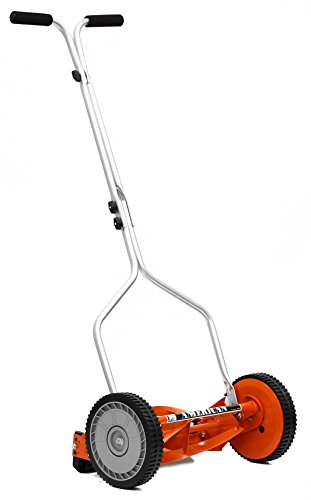
Mowing with a reel mower means pushing a human-powered cylinder of blades that cuts grass with a scissor-like action instead of a spinning blade. Done right, it gives you a crisp, even cut, quiet operation and no fuel or electricity. This guide covers the setup, cutting height, pattern and routine habits that make mowing with a reel mower work well.
Before You Start: Set Up the Mower
Most reel mowers need a quick check before the first pass. The blades should be sharp and free of nicks, and the bottom blade (the bedknife) should be adjusted so it just kisses the reel blades along their full length. If you see daylight between them or a paper test sheet slides without catching, the mower needs adjusting. The manual for your model shows the exact adjustment points.
Shopping for one? See our guide: Walk Behind Reel Mower vs Rotary Mower (2026): Which Is Better for Your Lawn?.
Next, set the cutting height. Reel mowers cut best when they take off no more than one-third of the grass blade in a single pass. Set the height higher for dry, stressed or newly seeded turf and lower it for healthy, established lawns.
Mowing Technique: Pace and Pattern
Walk at a steady, moderate pace. Reel mowers rely on the speed of your wheels to spin the reel, so walking too fast gives a ragged cut and walking too slowly can cause the blades to bog down in thick grass.
Mow in overlapping straight rows, overlapping each pass by about two to three inches. Alternate your direction each time you mow so the grass does not lean the same way and develop stripes. Cut the grass dry when possible, since wet grass clogs the reel and makes the cut look torn.
Handling Tall or Thick Grass
If the lawn has grown tall, do not try to remove it all in one pass. Raise the cutting height, mow once, then lower the height and mow again a day or two later. Trying to cut too much at once is the fastest way to stress the turf and wear out the mower.
Cutting Tough Spots and Edges
Reel mowers work well on flat, open lawns but need more care around borders, slopes and obstacles. Use hand clippers or a manual edger along walkways and flower beds. On uneven ground, keep the mower moving steadily across slopes rather than pushing straight up or down, which helps the reel track the surface.
Routine Care While You Mow
- Stop every few minutes to check for grass clumps caught in the reel and brush them out.
- Clean the blades and frame after each session so moisture does not sit on the metal.
- Check the bedknife adjustment every few mowings, since it drifts as the mower is used.
- Store the mower in a dry place to prevent rust on the blades and axle.
Common Mistakes to Avoid
- Mowing grass that is too tall, which leaves a ragged, stressed lawn.
- Letting the bedknife go out of adjustment, which causes tearing rather than clean cutting.
- Cutting wet grass, which clogs the reel and leaves a poor finish.
- Walking too fast or too slow, which affects how well the reel spins.
- Skipping sharpening, since dull blades bruise grass and leave brown tips.
Recommended Gear
- A quality grass catcher for reel mowers keeps clippings from building up on the lawn and makes cleanup faster. View on Amazon
- A manual edger lets you trim borders and walkway edges without a powered trimmer, which suits reel mowing well. View on Amazon
- A hand-held sharpening kit for reel mower blades helps you keep the reel sharp between professional sharpenings. View on Amazon
FAQ
How often should I mow with a reel mower?
Mow often enough that you never remove more than one-third of the grass height at a time. During peak growing season that often means once a week, and less often in cooler months.
Can a reel mower cut tall grass?
It can, but it works best on lawns kept at a moderate height. For very tall grass, raise the cutting height and mow in two or more passes over several days.
Why is my reel mower leaving stripes or torn grass?
The most common causes are a bedknife that is out of adjustment, dull blades or cutting wet grass. Check the adjustment and sharpness first, and mow on dry grass when you can.
Conclusion
Mowing with a reel mower rewards a little setup work with a clean, even lawn. Keep the blades sharp, adjust the bedknife, mow at a steady pace and cut no more than one-third of the blade at a time. Consistent habits like these matter more than any single technique.
Related reading
- What Reel Mower Cutting Widths Are Available? A Size Guide
- Reel Mower vs Rotary Mower: Cut Quality and Lawn Health
- How to Maintain and Adjust a Reel Mower
- Best Reel Mowers
- 7 Blade Reel Mower vs 5 Blade Reel Mower (2026): Which Is Better for Your Lawn?
Ready to choose one?
About Graham Fisher
Graham Fisher is part of our editorial team and reviews and edits our lawn mowers guides, checking product details against manufacturer specifications and owner feedback.