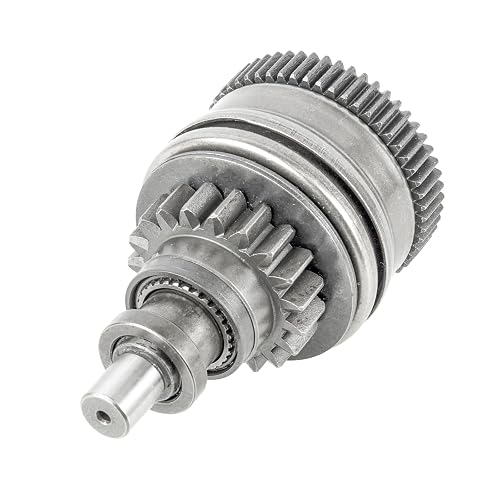
By Graham Fisher
A PowerSmart lawn mower that won’t start is usually held up by one of a few simple problems: stale fuel, a fouled spark plug, a clogged air filter, or a safety interlock that isn’t engaged. This guide walks you through each check in the order that solves the most problems with the least effort, so you can find the cause and get the engine running. Most owners can work through the whole list in under an hour with basic hand tools.
Before you start, keep in mind that PowerSmart mowers are sold under several engine sizes and models, and specific layouts vary. Always check your owner’s manual for the exact location of the primer bulb, choke lever, and spark plug on your unit. If you’re unsure about any step involving fuel lines, the carburetor, or electrical wiring, consult a qualified small-engine technician.
Shopping for one? See our guide: 5 Best Lawn Mower Won't Starts Without Starter Fluid (2026): Expert Picks.
Start With the Safety Basics
Before touching anything, confirm the simple conditions that stop an engine from starting. These take less than a minute and rule out the most common mistakes.
- Make sure the blade or cutting system is disengaged and the engine is off.
- Confirm the operator presence bar or safety lever is held down fully when you pull the starter. Many engines will not crank without it.
- Check that the throttle is in the correct position. Most models need the choke engaged for a cold start and opened once the engine fires.
- Disconnect the spark plug boot before any inspection, so the engine cannot fire accidentally.
Check the Fuel
Fuel problems cause more no-start complaints than anything else on small engines. Gasoline that has sat for a season or longer loses its volatility and leaves varnish behind in the carburetor. Ethanol-blended fuel can also attract moisture and separate over time.
Inspect and Replace the Fuel
Look at the fuel in the tank. Fresh gasoline is clear to light amber. Dark, cloudy, or sour-smelling fuel should be drained. Dispose of it at a local hazardous waste facility, not down a drain or on the ground.
- Set the mower on a level surface and let the engine cool completely.
- Drain the old fuel into an approved container. Many owners use a siphon pump for this.
- Refill with fresh regular unleaded gasoline. Most manufacturers recommend fuel with 10% ethanol or less and a minimum octane of 87.
- Check the fuel filter, if your model has one, and replace it if it looks dark or restricted.
- Look along the fuel line for cracks, hardening, or kinks. Replace any line that is brittle.
Use the Primer Correctly
If your mower has a primer bulb, press it several times until fuel fills the bulb. Don’t overprime, since flooding a small engine is a common cause of a no-start condition that looks like a fuel problem. If the engine sputters briefly and dies, try again with the choke in a different position.
Check the Spark Plug
A fouled or worn spark plug will prevent ignition even when fuel is present. Remove the plug with the correct size socket and inspect the electrode.
| Plug Appearance | What It Usually Means | Action |
|---|---|---|
| Dry, light tan or gray | Healthy combustion | Reinstall after cleaning gap |
| Black, sooty, wet | Rich fuel mixture or flooding | Clean or replace, check choke and air filter |
| White or blistered | Lean mixture or overheating | Replace plug, check for air leaks |
| Oily or greasy | Oil entering combustion chamber | Replace plug, check engine oil level and piston rings with a technician |
| Cracked or electrode worn | End of service life | Replace with the plug type listed in your manual |
Set the electrode gap to the value in your owner’s manual, usually around 0.030 inch for many small engines. Reinstall the plug snugly and reattach the boot. A quick spark test is also worth doing: hold the plug against the engine head, pull the starter, and look for a bright blue spark. Weak or no spark usually points to a bad plug, a damaged boot, or a faulty ignition module.
Inspect the Air Filter
A clogged air filter starves the engine of air and makes it run rich, which can prevent starting or cause it to die shortly after firing. Remove the filter cover and examine the element.
- Paper filters that are caked with dirt should be replaced.
- Foam filters can usually be washed in warm soapy water, squeezed dry, and lightly oiled with the type of oil specified in the manual.
- Make sure the filter seats fully and the cover closes without gaps.
Look at the Carburetor
If fuel is fresh, the plug is good, and the air filter is clean, the carburetor is the next suspect. Stale fuel leaves varnish in the small passages of the jets, which blocks flow and keeps the engine from running.
Basic Carburetor Cleaning
Carburetor work requires patience and clean hands. Before disassembling, take photos so you can reference the orientation of gaskets and springs later.
- Remove the air filter housing and fuel line from the carburetor.
- Take off the carburetor bowl and gasket, then remove the main jet and idle jet.
- Spray carburetor cleaner through each passage and jet. Use a thin wire only if the manufacturer allows it, and never enlarge the jet orifices.
- Check the float for cracks or stiffness, and make sure it moves freely.
- Reassemble with new gaskets and reinstall. A carburetor rebuild kit is inexpensive and often solves persistent problems.
Check the Starter and Engine Compression
If the engine cranks slowly or not at all, the starter system may be the issue. A stuck starter rope, a broken recoil spring, or a worn drive pawl can all prevent proper cranking. Pull the rope by hand and feel for resistance. If you feel no compression or the rope pulls freely with no engagement, the engine may need professional diagnosis, especially if it has been sitting unused for a long time.
Low compression can result from a worn piston ring or valve issue, which is beyond the scope of a DIY fix for most owners. Consult a small-engine repair shop before attempting internal work.
Common Mistakes
- Flooding the engine. Repeated pulling with the choke on can soak the plug. Remove the plug, dry it, pull the starter several times with the plug out, then reinstall and try again with the throttle wide open.
- Using old fuel and blaming the mower. Fuel older than 30 days often causes problems, so always check fuel first.
- Ignoring the safety switch. The most common no-start complaint on mowers with an operator presence system is simply that the bar was not held down.
- Overtightening the spark plug. This can strip the threads in the cylinder head. Snug the plug, then add a small turn with a torque wrench if you have one.
- Skipping the winter storage routine. Adding a fuel stabilizer and running the engine dry before storage prevents most spring no-start problems.
Recommended gear
A few inexpensive tools make this diagnosis far easier, and a basic kit covers most of what you will need.
- A spark plug gap tool and socket set. Accurate gapping matters, and a proper socket prevents damage to the plug threads. View on Amazon
- Carburetor cleaner spray. It dissolves varnish in jets and passages without leaving residue. View on Amazon
- Fuel stabilizer. Adding it to fresh gasoline before storage keeps the carburetor clean through the off-season. View on Amazon
- A siphon pump. It makes draining old fuel clean and simple without tipping the mower. View on Amazon
Tips for Preventing Future No-Start Problems
Good habits prevent most of the issues covered above. Use fresh fuel and avoid buying more than you will use in 30 days. Add stabilizer if you plan to store the mower for more than a month. Change the oil on the schedule in your manual, and clean or replace the air filter at the start of each mowing season. Sharpen the blade and check the deck for buildup, since a stressed engine is more likely to stall. If you have an older PowerSmart with a plastic fuel line or a cracked primer bulb, replacing those parts early can save a frustrating morning later.
If you are not sure which PowerSmart model you have, look for the model and serial plate near the engine or on the deck, then cross-reference it with the parts list in your manual. Our guide to PowerSmart 170cc Lawn Mower Won’t Start: Review and Fixes covers the specific engine layout and common issues on that displacement, while Lawn Mower Won’t Start: Common Causes gives a broader overview that applies to most gas engines.
FAQ
Why won’t my PowerSmart lawn mower start after sitting all winter?
Old gasoline is the most likely culprit. Fuel that has sat for several months forms varnish that clogs the carburetor jets. Draining the tank, replacing the fuel, cleaning the carburetor, and checking the spark plug usually restores operation.
How do I know if the spark plug is bad?
Remove the plug and inspect the tip. Black, oily, or white blistered electrodes indicate a problem. Cracked porcelain or a worn electrode means the plug should be replaced. A spark test with the plug grounded against the engine can also confirm whether ignition is working.
Can I use gas that has been in the can for a year?
It is not recommended. Gasoline degrades over time, and fuel older than about 30 days can cause starting and running issues. Drain the old fuel and refill with fresh gasoline.
Why does my mower start and then die immediately?
This often points to a clogged air filter, a carburetor that is running too rich or too lean, or a choke that is not opening after startup. Check the filter first, then inspect the carburetor and choke linkage.
Should I engage the choke every time I start the mower?
Only when the engine is cold. Once the engine fires, move the choke to the run position. Leaving it on will flood the engine and make it harder to start. Powersmart 161cc Lawn Mower Won't Start: 3 Replacement Starters Compared goes further into this.
Does the operator presence bar really stop the engine from starting?
On most models with an operator presence system, yes. The bar or lever must be held against the handle while you pull the starter. If it is not engaged, the engine cannot run, which is a common and easily fixed reason for a no-start condition.
When should I take the mower to a repair shop?
If compression is weak, the starter system is damaged, or you suspect internal engine damage, a qualified small-engine technician should evaluate it. Internal repairs carry safety and warranty considerations that are best handled by a professional.
Conclusion
Most PowerSmart lawn mower no-start problems come down to fuel, spark, air flow, or a safety switch. Work through the checks in order, starting with the simplest: confirm the operator bar, refresh the fuel, inspect the plug, and clean the air filter. If those steps do not restore operation, the carburetor is the next place to look. For anything involving internal engine work, consult a qualified small-engine technician.
Related reading
- PowerSmart 170cc Lawn Mower Won't Start: 8 Causes and Fixes
- Yardman Lawn Mower Won't Start: 8 Causes and Fixes (2026)
Ready to choose one?
About Graham Fisher
Graham Fisher is part of our editorial team and reviews and edits our lawn mowers guides, checking product details against manufacturer specifications and owner feedback.