By Graham Fisher
Updated November 2026
When you pull the cord or turn the key and nothing happens, the fastest way to help my lawn mower won’t start is usually a clear diagnostic path rather than random part swaps. This roundup compares five resources aimed at homeowners: two diagnostic guides, two practical starting-help guides, and one starter kit. The selection criteria were the scope of the troubleshooting (fuel, spark, air, compression and electrical causes), how well each title matches a specific mower type, how clearly the material explains small-engine basics for non-mechanics, and the consistency of the feedback owners tend to report. We did not test these products ourselves; the assessments below are based on listing details, stated coverage and common owner feedback patterns.
Our top picks at a glance
- 1
 TOP CHOICEBest overallLawn Mower Won't Start: A Diagnostic Guide for Push, Riding, and Zero-View on Amazon
- 2
 TOP CHOICEBest for small engine repair beginnersThe DIY Small Engine Repair Bible: The Complete Homeowner's Guide to FView on Amazon
- 3
 TOP CHOICEBest for push mowersGet Your Push Mower Started Now!: A simple guide to getting your lawnView on Amazon
- 4
 Best for mixed outdoor power equipmentMower, Blower, or Trimmer Won't Start – You Can fix ItView on Amazon
- 5
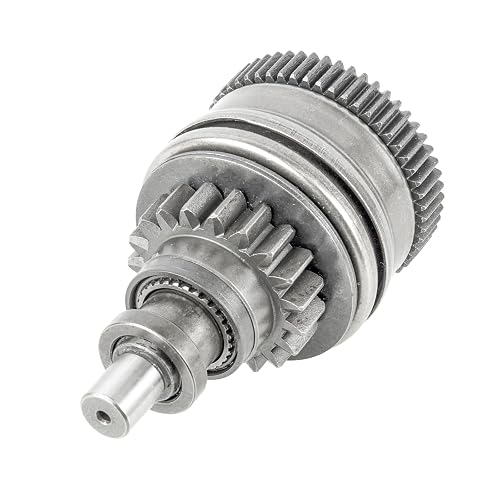
 Best budget pickUniversal Lawnmower Starter Kit for All LawnmowersView on Amazon
Our Top Picks
| Product | Best for | Key feature |
|---|---|---|
| Lawn Mower Won’t Start: A Diagnostic Guide for Push, Riding, and Zero-Turn Mowers | Systematic troubleshooting across mower types | Covers push, riding and zero-turn machines |
| The DIY Small Engine Repair Bible | Homeowners who want deeper engine knowledge | Carburetor, fuel, ignition and starting coverage |
| Get Your Push Mower Started Now! | Push mower owners with a no-start problem | Short, focused walkthrough for getting a push mower running |
| Mower, Blower, or Trimmer Won’t Start – You Can fix It | Owners of several gas-powered yard tools | Applies one starting method across multiple machines |
| Universal Lawnmower Starter Kit for All Lawnmowers | Budget-minded owners who suspect a starting component | Designed to fit a wide range of mowers |
Lawn Mower Won’t Start: A Diagnostic Guide for Push, Riding, and Zero-Turn Mowers (Engine Won’t Start Series)
Lawn Mower Won't Start: A Diagnostic Guide for Push, Riding, and Zero-Turn Mowers (Engine Won't Start Series)
Best for: Systematic troubleshooting across mower types
This guide suits owners who want a step-by-step order of checks rather than guesswork. Because it addresses push, riding and zero-turn mowers together, it is a practical choice if you own more than one machine or are not yet sure what type of engine you have.
Key specs
- Format: printed guide in the Engine Won’t Start Series
- Scope: push, riding and zero-turn mowers
- Focus: starting failures and their diagnosis
Pros
- Organizes checks from the simplest causes to the more involved ones
- Covers multiple mower categories in one book
- Helpful for narrowing down a no-start problem before buying parts
Cons
- Generic coverage may not go as deep on a specific brand’s engine
- Less useful if you need repair procedures for internal engine work
Bottom line: A strong first purchase for someone who wants a logical troubleshooting order across different mower types.
The DIY Small Engine Repair Bible: The Complete Homeowner’s Guide to Fixing Lawn Mowers, Generators, Chainsaws & Snow Blowers
The DIY Small Engine Repair Bible: The Complete Homeowner's Guide to Fixing Lawn Mowers, Generators, Chainsaws & Snow Blowers: Carburetors, Fuel, Ignition & Starting Problems (2026 Edition)
Best for: Homeowners who want deeper engine knowledge
This title is aimed at people who want to understand why a small engine stops starting, not just which step to try next. It fits owners who plan to maintain several machines and are comfortable learning how carburetors, fuel systems and ignition components work.
Key specs
- Covers lawn mowers, generators, chainsaws and snow blowers
- Topics include carburetors, fuel, ignition and starting problems
- Written for homeowners rather than professional technicians
Pros
- Broad coverage of the systems most likely to cause a no-start
- Useful reference beyond the mower itself
- Explains the reasoning behind each repair step
Cons
- Larger scope means some sections may be more than a mower owner needs
- Does not replace model-specific service manuals
Bottom line: Best for owners who want a long-term repair reference and are willing to read through engine fundamentals.
Get Your Push Mower Started Now!: A simple guide to getting your lawn mower started when it doesn’t want to
Get Your Push Mower Started Now!: A simple guide to getting your lawn mower started when it doesn't want to
Best for: Push mower owners with a no-start problem
If your walk-behind mower will not fire up and you want a short, direct guide rather than a full engine manual, this title is built for that situation. It suits a first-time troubleshooter who needs to get the mower running before the next mowing day.
Key specs
- Focus: getting a push mower started
- Format: concise guide for non-specialists
Pros
- Straightforward, focused on the single goal of starting the mower
- Quick to read before you start checking
- Good match for common push-mower starting complaints
Cons
- Narrower scope than a full diagnostic or repair manual
- May not address riding or zero-turn machines
Bottom line: A practical pick for someone with a push mower who wants a fast, simple path back to running.
Mower, Blower, or Trimmer Won’t Start – You Can fix It
Mower, Blower, or Trimmer Won't Start – You Can fix It
Best for: Mixed outdoor power equipment
Many homeowners run a mower, a leaf blower and a string trimmer, and these tools often share similar two-stroke or four-stroke engine designs. This guide is useful if you want one resource that applies the same starting logic across several machines.
Key specs
- Covers mowers, blowers and trimmers
- Focus on starting problems across handheld and walk-behind equipment
Pros
- Useful if you own several gas-powered yard tools
- Shared troubleshooting logic saves time
- Encourages a methodical check of fuel, spark and air
Cons
- Less depth on any single machine type
- Specific model details may need an owner’s manual
Bottom line: Best for owners who want one guide covering the whole gas-powered yard kit.
Universal Lawnmower Starter Kit for All Lawnmowers
Universal Lawnmower Starter Kit for All Lawnmowers
Best for: Budget-minded owners who suspect a starting component
A starter kit is most useful when you have already identified a worn or failed starting part and want a replacement that is not tied to one brand. It suits owners on a tighter budget who are comfortable confirming fit before installing.
Key specs
- Designed as a universal fit for a range of lawn mowers
- Intended for replacing starting-system components
Pros
- Lower-cost route if the starter is the confirmed fault
- Universal design can cover several mower models
- Simple to swap without specialized tools in many cases
Cons
- Universal fit may not match every engine exactly; check compatibility first
- Does not help if the real cause is fuel, spark or compression
Bottom line: Worth considering only after you have confirmed the starter mechanism is the problem and checked fit against your model.
Buying Guide
Match the Resource to Your Mower Type
Push, riding and zero-turn mowers share some starting causes but differ in engine placement, controls and safety interlocks. Before choosing a guide, confirm which type you own, since a book aimed at walk-behind machines may skip steps that apply to a riding mower’s seat switch or deck linkage.
Good picks for this: Lawn Mower Won’t Start: A Diagnostic Guide for Push, Riding, and Zero-Turn Mowers; Get Your Push Mower Started Now!
Check Whether the Guide Covers the Fuel System
Stale gasoline is one of the most common reasons a mower will not start after a season in storage. Look for coverage of fuel age, fuel lines, the fuel filter and carburetor cleaning, since these are the causes most often addressed first in good troubleshooting material.
Good picks for this: The DIY Small Engine Repair Bible; Mower, Blower, or Trimmer Won’t Start – You Can fix It
Look for Spark and Ignition Guidance
A missing spark can come from a fouled plug, a damaged ignition coil or a faulty kill switch. A useful resource explains how to pull the plug, inspect the electrode and gap, and when a replacement is the sensible choice.
Good picks for this: The DIY Small Engine Repair Bible; Lawn Mower Won’t Start: A Diagnostic Guide for Push, Riding, and Zero-Turn Mowers
Consider the Starting Mechanism
Recoil starters, electric starters and key-start systems fail in different ways. A recoil rope that snaps or a starter pawl that does not engage needs different fixes than a dead battery on an electric start. Confirm the guide or kit addresses the mechanism your mower uses.
Good picks for this: Universal Lawnmower Starter Kit for All Lawnmowers; Get Your Push Mower Started Now!
Assess the Depth of Coverage
Quick-start guides suit a single fault you can probably identify yourself. Broader repair books take longer to read but explain why each system works, which helps if the problem is intermittent or you plan to maintain the machine for years.
Good picks for this: The DIY Small Engine Repair Bible; Get Your Push Mower Started Now!
Think About Other Equipment You Own
If you also run a blower, trimmer, generator or snow blower, a resource that covers several small engines can save you from buying separate books. Single-machine guides are better if the mower is your only gas-powered tool.
Good picks for this: Mower, Blower, or Trimmer Won’t Start – You Can fix It; The DIY Small Engine Repair Bible
Confirm Compatibility Before Buying Parts
Universal parts and kits are convenient, but engine size, shaft diameter, mounting pattern and starter type all affect fit. Measure or photograph the existing part and compare it to the listing before ordering. When in doubt, a local small-engine shop or your mower’s manufacturer can confirm the correct part number.
Good picks for this: Universal Lawnmower Starter Kit for All Lawnmowers
FAQ
Why won’t my lawn mower start even though I put fresh gas in it?
Fresh fuel rules out one cause but not others. Check the spark plug for fouling or damage, make sure the choke and throttle are set correctly for a cold start, confirm the air filter is clean, and check that the kill switch or safety bar is engaged. If the mower has sat for a long time, the carburetor may still be clogged with varnish from older fuel.
How do I know if the spark plug is the problem?
Remove the plug, look at the electrode and insulator, and check the gap against the manufacturer’s specification in the owner’s manual. A wet, black or heavily carboned plug points to fuel or air issues, while a cracked insulator or badly worn electrode means replacement. Some owners use a spark tester to confirm spark, but follow the tester’s instructions and keep hands clear of the spark gap.
Can old gasoline stop a mower from starting?
Yes. Gasoline can degrade within a few months, especially ethanol-blended fuel, and it leaves gum and varnish that block small carburetor jets. Many owners report that draining the fuel and refilling with fresh gasoline solves the problem, but a clogged carburetor may need cleaning. Fuel stabilizer added before storage can reduce this risk.
Is it safe to troubleshoot a mower myself?
Basic checks such as cleaning the air filter, inspecting the plug and confirming fuel are generally safe if you disconnect the spark plug wire first and avoid working near hot surfaces. Work involving the blade, belts or electrical systems carries more risk. If you are unsure, or the problem involves fuel leaks or electrical faults, consult a qualified small-engine technician.
What should I do if the recoil rope will not pull?
A recoil rope that is stuck or will not retract may have a broken return spring, a jammed pawl or debris in the starter housing. Do not force the cord, since that can cause further damage. Remove the starter housing following the owner’s manual and inspect the spring and pawls before deciding whether to repair or replace the assembly.
Does a riding mower have different starting problems than a push mower?
Riding and zero-turn mowers add safety interlocks, such as seat switches, brake or PTO switches, and blade engagement controls. A mower may refuse to crank if one of these is not in the correct position, even when the engine itself is fine. Check those switches early, then move on to fuel, spark and air.
When should I stop troubleshooting and call a shop?
Stop and seek professional help if you smell a strong fuel leak, see damaged wiring, suspect internal engine damage such as a seized piston, or cannot identify the fault after working through the basic checks. A qualified small-engine technician can diagnose compression and electrical faults safely.
Conclusion
For most homeowners, the best starting point is a diagnostic guide that follows a logical order of checks. Lawn Mower Won’t Start: A Diagnostic Guide for Push, Riding, and Zero-Turn Mowers suits owners of mixed mower types who want that structure. The DIY Small Engine Repair Bible fits people who want a deeper, longer-term reference. Get Your Push Mower Started Now! is a focused choice for push-mower owners who need a quick path back to running. Mower, Blower, or Trimmer Won’t Start – You Can fix It works well if you maintain several gas-powered yard tools. Finally, the Universal Lawnmower Starter Kit for All Lawnmowers is only worth buying once you have confirmed the starter mechanism is the fault and checked fit. Whichever you choose, start with fuel, spark and air before buying parts.
Sources
- Safety guidance on operating and maintaining outdoor power equipment, including precautions around blades and engines (cpsc.gov)
- Information on gasoline storage and the effects of ethanol-blended fuel on small engines (energy.gov)
- University-based guidance on small-engine maintenance, fuel storage and spark plug inspection (extension.org)
Related reading
- Yardworks Battery Lawn Mower Won't Start: 7 Causes and Fixes
- Yardman Riding Lawn Mower Won't Start: 7 Causes and Fixes
- Yardman Lawn Mower Won't Start: 8 Causes and Fixes (2026)
- Yard Machines Lawn Mower Won't Start: 7 Causes and Fixes
- Yard Machine Riding Lawn Mower Won't Start: 7 Causes and Fixes
- Yard Machine Lawn Mower 20 Inch Won't Start: 4 Best Replacement Parts Compared
About Graham Fisher
Graham Fisher is part of our editorial team and reviews and edits our lawn mowers guides, checking product details against manufacturer specifications and owner feedback.