By Brooke Kingsley
Updated November 2026
When a Kohler riding lawn mower won’t start, the cause is usually one of a handful of common problems: a weak battery, a fuel or air issue, a tripped safety interlock, or a fouled spark plug. This guide walks through those causes in the order most technicians check them, so you can find the fault without guessing. Most owners can finish the diagnosis in under an hour with basic hand tools.
Before You Start: Safety and Tools
Work on the mower with the parking brake set, the blades disengaged, the key removed, and the engine fully cooled. If you need to work underneath the deck or near the belt drive, disconnect the battery negative cable first. Kohler engines run on gasoline and produce a spark, so keep sparks and open flame away from fuel vapors.
Shopping for one? See our guide: 7 Best John Deere Riding Lawn Mower Won't Start Parts Compareds (2026).
You will need these basics:
- A digital multimeter for checking battery voltage and continuity
- A socket set and spark plug socket (typically 5/8-inch or 13/16-inch, check your model)
- A spark plug gap tool
- A clean rag and a small container for drained fuel
- A battery charger rated for 12-volt lead-acid or lithium batteries, depending on your model
Step 1: Check the Battery
A weak battery is the most frequent reason a riding mower cranks slowly or not at all. Start by looking at the dash for warning lights and listening for what happens when you turn the key. A rapid clicking usually points to low voltage, while a single click or complete silence can mean a bad connection or a failed solenoid.
Measure the Voltage
Set your multimeter to DC volts and touch the probes to the battery terminals, red to positive and black to negative. A fully charged 12-volt battery reads about 12.6 volts or higher. Readings near 12.2 volts mean it is partially discharged, and readings below about 12 volts suggest it needs charging or replacement. Check the reading again while someone turns the key to start. If the voltage drops below roughly 10 volts during cranking, the battery is likely failing.
Inspect the Terminals and Cables
Corrosion on the posts or cable clamps can block current even when the battery is charged. Clean white or greenish buildup with a solution of baking soda and water and a wire brush, then rinse and dry. Tighten the clamps and check the ground cable where it bolts to the frame. A loose ground is a common and easily missed cause.
Charge or Replace
If the battery reads low, charge it fully and retest. If it will not hold a charge after a full charge, replace it. Match the group size and cold-cranking amps listed in your owner’s manual.
Step 2: Check the Safety Interlock System
Kohler riding mowers use safety switches that prevent the engine from starting unless certain conditions are met. Typical requirements include the operator being seated, the parking brake engaged, and the blade or PTO control disengaged. If any one of these is not satisfied, the starter will not engage, and the mower may seem completely dead.
- Sit in the seat and make sure your weight is fully on it.
- Set the parking brake firmly.
- Move the blade (PTO) switch to the off position.
- Place the transmission in neutral or park, depending on your model.
- Try starting again.
If the mower starts only when you hold the seat in a certain position, the seat switch or its wiring is likely worn. Inspect the wire harness under the seat for chafing and loose connectors, and clean the switch contacts with electrical contact cleaner.
Step 3: Check the Fuel System
Fuel problems cause a large share of no-start complaints, especially after storage. Gasoline left in the tank for more than about 30 days can begin to degrade, forming varnish that clogs the carburetor jets and fuel filter.
Confirm Fuel Is Reaching the Engine
Check that the fuel shutoff valve, if equipped, is open. Look at the fuel line between the tank and carburetor for kinks or cracks. Disconnect the line at the carburetor inlet and crack the shutoff valve or briefly crank the engine with the spark plug removed to see if fuel flows. Weak or no flow suggests a clogged filter or blocked line.
Use Fresh Gasoline
If the fuel smells sour or looks dark, drain it into an approved container and refill with fresh gasoline. Kohler manuals generally call for fuel rated 87 octane or higher and recommend limiting ethanol content. Avoid old stored fuel altogether.
Address the Carburetor
If fuel flows but the engine still will not fire, the carburetor may be gummed up. Carburetor cleaning involves removing the bowl, cleaning the jets with carburetor cleaner, and verifying the float moves freely. Cleaning is a detailed job, and if you are unsure of the procedure, consult a qualified small-engine technician.
Step 4: Check the Air Filter and Choke
A heavily clogged air filter restricts airflow and can prevent starting, particularly on a cold engine. Remove the filter cover and inspect the element. Paper elements should be replaced when they are dirty. Foam elements can be washed in warm soapy water, squeezed dry, and re-oiled lightly if your manual specifies it.
Check the choke operation as well. A cold engine needs a richer mixture to start. Make sure the choke lever moves fully and the linkage is not sticking. Starting a warm engine with the choke fully closed can flood it, so try opening the throttle slightly and cranking again if the engine smells strongly of gas.
Step 5: Inspect the Spark Plug
A fouled, worn, or wet spark plug will stop the engine from firing. Remove the spark plug and examine the tip. A dry, sooty tip often points to a rich mixture or dirty air filter. A wet, oily tip suggests oil consumption or flooding. A white, blistered tip can indicate overheating.
Clean the plug or replace it if the electrode is worn. Check the gap against the specification in your manual, usually around 0.030 inches for many Kohler engines, and adjust it with the gap tool. Reinstall the plug and torque it to the value in the manual. Make sure the spark plug wire or boot is firmly seated.
To test for spark, ground the plug against the engine block, keep the plug wire attached, and crank the engine briefly. A strong blue spark indicates the ignition system is working.
Step 6: Check the Starter Solenoid and Starter Motor
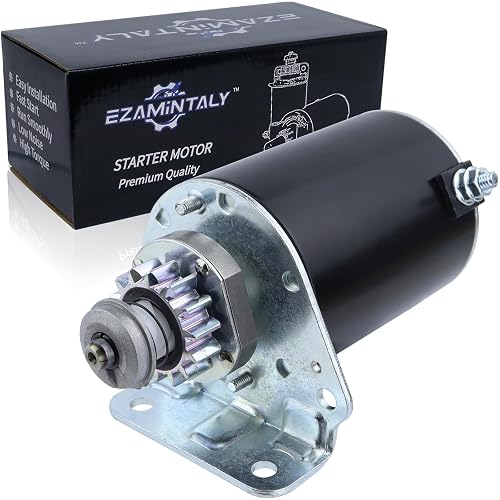
If the battery is good and the safety switches are satisfied but you hear a single click or nothing at all, the starter solenoid may be failing. Check the solenoid terminals for corrosion and tighten the connections. Using a multimeter, check for voltage at the large solenoid terminal when someone turns the key to start. If you see battery voltage on the input but not on the output to the starter, replace the solenoid.
If you hear the solenoid click but the starter does not turn, the starter motor itself may have failed or the drive gear may be stuck. Tapping the starter housing lightly with a rubber mallet sometimes frees a sticking brush, but a persistent problem calls for replacement.
Step 7: Check for a Blown Fuse or Wiring Fault
Inspect the fuses and the main wiring harness. A blown fuse will cut power to the ignition or starting circuit. Replace any fuse with one of the same amperage rating, never a higher one. Look for burned insulation, rodent damage, or wires pinched near the deck, steering linkage, or seat.
Quick Reference: Symptom and Likely Cause
| Symptom | Most likely cause | First check |
|---|---|---|
| Rapid clicking, dim lights | Weak or discharged battery | Battery voltage and terminals |
| Single click, no crank | Solenoid or loose connection | Ground and solenoid terminals |
| Cranks but won’t fire | Fuel, spark, or choke issue | Spark plug and fuel flow |
| Starts then dies | Clogged carburetor or fuel filter | Fuel quality and filter |
| Starts only in certain seat positions | Seat switch or wiring | Seat switch continuity |
| Strong gas smell, won’t start | Flooded engine | Spark plug condition, choke position |
If your mower has been sitting for a season, the causes often overlap. Our guide to Riding Lawn Mower Won’t Start After Winter: 7 Fixes to Try First covers the storage-related problems in more detail.
For a broader look at the same symptom across brands, see Riding Lawn Mower Won't Start: 7 Causes and Fixes That Work. If your problem is specifically clicking with no crank, Riding Lawn Mower Won't Start No Clicking: 7 Causes and Fixes goes deeper on electrical faults.
Recommended gear
A digital multimeter lets you measure battery voltage, check continuity in safety switches, and test solenoid output, which takes most of the guesswork out of electrical diagnosis. View on Amazon
A quality battery charger with a maintenance mode keeps a stored battery topped off through the off-season, which prevents the most common cause of spring no-start problems. View on Amazon
A spark plug socket and gap tool make plug inspection and replacement quick and accurate, and a proper gap setting helps the engine fire reliably. View on Amazon
Fuel stabilizer added before storage helps prevent the varnish buildup that clogs carburetors and filters over winter. View on Amazon
Common mistakes
- Replacing parts before testing. A new starter or solenoid will not help if the real problem is a corroded ground cable. Test first.
- Cranking for long periods. Extended cranking overheats the starter and drains the battery. Limit each attempt to about 10 seconds, then wait a minute.
- Ignoring the choke on a warm engine. Leaving the choke closed on a warm engine floods it, making the problem worse.
- Using old fuel. Gasoline more than a month old, especially with ethanol, is a frequent cause of no-start problems.
- Bypassing safety switches. Jumpering a safety interlock may get the engine running, but it removes protection that keeps the blades and transmission from engaging unexpectedly.
- Overtightening the spark plug. Overtightening can damage threads in the cylinder head. Use a torque wrench set to the manual’s specification.
Tips
- Keep a log of when you last changed the oil, air filter, and spark plug. Kohler service intervals are printed in the manual, and a routine schedule prevents many no-start calls.
- Add fuel stabilizer to a full tank before winter storage and run the engine for a few minutes so treated fuel reaches the carburetor.
- Keep the battery on a maintainer during the off-season, especially if the mower sits in an unheated shed.
- Clean debris from around the engine shroud and cooling fins regularly so the engine does not overheat and become hard to restart.
FAQ
Why does my Kohler riding mower crank but won’t start?
Cranking without firing usually means the engine is getting power to turn but lacks fuel, spark, or proper air-fuel mixture. Check the spark plug first, then confirm fuel is reaching the carburetor, and finally look at the choke and air filter.
How do I know if the battery or the starter is the problem?
A battery that drops below about 10 volts during cranking is likely the culprit. If the battery holds voltage under load but the starter does not turn, suspect the solenoid or starter motor.
Can I start a Kohler mower with the seat switch bypassed?
Bypassing safety switches is not recommended. These interlocks prevent accidental starts and blade engagement. If a switch is faulty, repair or replace it.
How often should I replace the spark plug?
Follow the interval in your owner’s manual, typically once a season or every 100 hours of operation for many small engines. Replace sooner if the electrode looks worn or the engine is hard to start.
What fuel should I use in a Kohler riding mower?
Use clean, fresh unleaded gasoline with an octane rating listed in your manual. Limit ethanol content as recommended, and avoid fuel that has sat for more than about 30 days.
Why does my mower start and then stall?
Stalling after a start often points to a clogged fuel filter, a carburetor issue, or a vacuum leak. Check the fuel filter and inspect the carburetor for varnish buildup.
When should I call a professional?
If you smell fuel strongly, see smoke, or are uncomfortable with carburetor disassembly or electrical testing, consult a qualified small-engine technician. Safe, accurate repair matters more than a quick guess.
Conclusion
A Kohler riding lawn mower that won’t start usually comes down to the battery, the safety interlocks, fuel, or the spark plug. Work through the steps in order, testing each system before replacing parts. Most problems are resolved with careful checks and a few basic tools, and keeping up with routine maintenance will prevent many of them from coming back.
Related reading
- Riding Lawn Mower Won't Start But Turns Over: 4 Best Parts Compared (2026)
- Riding Lawn Mower Won't Start After Winter: 7 Fixes to Try First
Ready to choose one?

About Brooke Kingsley
Brooke covers lawn mowers, comparing specs, features and long-term owner feedback to help readers choose with confidence.