 By Graham Fisher
Updated November 2026
Choosing a toro zero turn lawn mower comes down to deck width, engine type, and how much time you want to spend on a big property. This list compares seven zero-turn models from the Husqvarna and TimeCutter lines, which are widely sold in the United States for lawns from roughly one-half acre up to several acres. Selection criteria: deck size, engine brand and horsepower, turning and frame build, and the consistency of owner feedback patterns.
Our top picks at a glance
- 1
 TOP CHOICEBest overallHusqvarna Z254F 54 in. 23 HP Kawasaki Zero Hydrostatic Turn Riding MowerView on Amazon
- 2
 TOP CHOICEBest for mid-size lawnsHusqvarna Special Edition Z242F (42") 21.5HP Kawasaki Zero Turn MowerView on Amazon
- 3
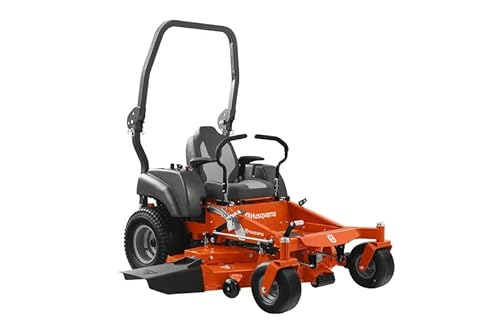 TOP CHOICEBest for heavy-duty useHusqvarna MZ61 (61") 24HP Kawasaki Zero Turn Lawn Mower w/ROPSView on Amazon
- 4
 Best for wide cutting75750 50″ TimeCutter 5000 Zero Turn Mower 23HP Kaws.View on Amazon
- 5
 Best for budget-minded buyers42 in. TimeCutter Zero Turn Mowers.View on Amazon
- 6
 Best for Kohler power75746 42″ TimeCutter Zero Turn Mower 22HP Kohlers.View on Amazon
- 7
 Best for Briggs power77404 42″ TimeCutter Zero Turns Mowerr 22HP BriggsView on Amazon
Our Top Picks
| Product | Best for | Key feature |
|---|---|---|
| Husqvarna Z254F 54 in. 23 HP Kawasaki | Large open lawns | 54-inch deck, hydrostatic drive |
| Husqvarna Special Edition Z242F | Mid-size lawns | 42-inch deck, Kawasaki engine |
| Husqvarna MZ61 61 in. 24 HP | Heavy-duty use | 61-inch deck, ROPS frame |
| 75750 50″ TimeCutter 5000 | Wide cutting | 50-inch deck, 23 HP engine |
| 42 in. TimeCutter Zero Turn | Budget-minded buyers | 42-inch deck, lower entry point |
| 75746 42″ TimeCutter Kohler | Kohler power preference | 22 HP Kohler engine |
| 77404 42″ TimeCutter Briggs | Briggs power preference | 22 HP Briggs engine |
Husqvarna Z254F 54 in. 23 HP Kawasaki Zero Hydrostatic Turn Riding Mower
Husqvarna Z254F 54 in. 23 HP Kawasaki Zero Hydrostatic Turn Riding Mower
Best for: Large open lawns where a wide deck saves the most time.
This model suits owners with big, mostly open turf who want fewer passes per acre.
Pros
- 54-inch deck covers ground quickly
- Hydrostatic drive gives smooth speed control
Cons
- Wide footprint can be awkward in tight gates
Husqvarna Special Edition Z242F (42″) 21.5HP Kawasaki Zero Turn Mower
Husqvarna Special Edition Z242F (42") 21.5HP Kawasaki Zero Turn Mower
Best for: Mid-size lawns that need a balance of maneuverability and coverage.
A good fit for yards of about one-half to one acre where a 54-inch deck would be more machine than needed.
Pros
- 42-inch deck is easy to steer around beds
- Kawasaki engine is widely serviced
Cons
- Slower on very large properties
Husqvarna MZ61 (61″) 24HP Kawasaki Zero Turn Lawn Mower w/ROPS
Husqvarna MZ61 (61") 24HP Kawasaki Zero Turn Lawn Mower w/ROPS
Best for: Heavy-duty use on large acreage or frequent mowing.
Owners cutting several acres or working in commercial-adjacent settings often look at this class.
Pros
- 61-inch deck maximizes productivity
- ROPS (rollover protection) adds a safety feature
Cons
- Heavier and less nimble in small spaces
75750 50″ TimeCutter 5000 Zero Turn Mower 23HP Kaws.
75750 50″ TimeCutter 5000 Zero Turn Mower 23HP Kaws.
Best for: Wide cutting on mid-to-large lawns with a Kawasaki engine.
A practical choice for owners who want a wider deck than 42 inches without jumping to the largest class.
Pros
- 50-inch deck is a strong middle ground
- 23 HP engine handles thick grass
Cons
- Deck height adjustment may take a few minutes per pass
42 in. TimeCutter Zero Turn Mowers.
42 in. TimeCutter Zero Turn Mowers.
Best for: Budget-minded buyers with small-to-mid lawns.
Often chosen by homeowners who want zero-turn speed without the premium cost tier of larger decks.
Pros
- Familiar 42-inch cutting width
- Quick turning around landscaping
Cons
- Less capacity than larger decks
Buying Guide
Deck Width and Lawn Size
Deck width is the first thing to match to your property. Narrower decks around 42 inches are easier to maneuver around trees, flower beds, and fences, while wider decks near 54 to 61 inches cover more ground per pass and suit large open lawns. Think about the obstacles on your property as well as its total size before deciding.
Engine Type and Horsepower
Most of the models in this roundup use Kawasaki, Kohler, or Briggs and Stratton engines, with horsepower ranging from the low twenties up to the mid-twenties. More horsepower helps when cutting tall, thick, or wet grass, but it is not always necessary for a regularly maintained lawn. Check the engine brand for parts availability and service options in your area.
Turning, Frame, and Operator Comfort
Zero-turn mowers pivot in place, so ride quality and control matter more than on a standard riding mower. Look at the frame design, the type of seat and suspension, and whether the controls feel comfortable over long sessions. A model with a rollover protection structure, often called a ROPS, adds a layer of safety on slopes.
Drive System and Maintenance Needs
Hydrostatic drive systems give smooth speed control and are common on zero-turn models, while some budget options use other transmission designs. Consider how much routine maintenance you are willing to do, such as blade sharpening, oil changes, and air filter checks. Choosing a model with easily accessible service points can save time through the mowing season.
FAQ
Is a zero-turn mower good for a large yard?
Yes, zero-turn mowers are designed for large properties because they cut quickly and turn sharply around obstacles. They are generally best for flat or gently sloped lawns with open areas. Very steep or rough terrain may call for a different type of machine.
What deck size should I choose for a half-acre lawn?
A 42-inch deck is often a practical choice for a half-acre lawn with some trees and landscaping. It balances cutting speed with maneuverability in tighter spaces. Larger properties with wide open areas may benefit from a 50- to 61-inch deck.
How much horsepower do I need?
Many homeowners find that engines in the low-to-mid twenties horsepower range handle regular mowing well. Heavier or taller grass, or frequent mowing of thick growth, may call for more power. Matching the engine to your typical grass conditions is more important than chasing the highest number.
How often should I maintain a zero-turn mower?
Routine maintenance usually includes changing the engine oil, cleaning or replacing the air filter, and sharpening the blades. Many owners check the mower before each use and service it at intervals listed in the owner’s manual. Keeping up with these tasks helps extend the life of the machine.
Conclusion
If you have a large, open lawn and want the widest cut for the time spent, the larger deck models in this list are worth a closer look. Buyers with smaller properties or more trees and garden beds to work around may prefer a 42-inch option for easier handling.
Budget and engine preference will guide the final choice, so compare the engine brand, horsepower, and drive system alongside deck width. Matching the mower to your lawn size and terrain will give you the best long-term results.
Related reading
- 6 Best Toro Zero Turn Lawn Mower Won't Starts (2026): Our Picks
- 5 Best Toro Timecutter Zero Turn Lawn Mower Parts and Accessories (2026)
- Zero Turn Lawn Mower Used: How to Buy a Good One Safely (2026)
- Used Zero Turn Lawn Mower Sale: How to Find and Buy a Good One
About Graham Fisher
Graham Fisher is part of our editorial team and reviews and edits our lawn mowers guides, checking product details against manufacturer specifications and owner feedback.