 By Graham Fisher
Updated November 2026
Shopping for a 0 turn lawn mower for sale means balancing deck width, engine or battery power, build quality and how much yard you actually need to cover. Zero-turn mowers pivot on the spot using two independent drive levers, which saves time on large lawns with lots of obstacles. The picks below are grouped by yard size and need, based on manufacturer specifications, brand reputation and common owner feedback rather than our own testing.
Our top picks at a glance
- 1
 TOP CHOICEBest overallHusqvarna Z254F 54 in. 23 HP Kawasaki Zero Hydrostatic Turn Riding MowerView on Amazon
- 2
 TOP CHOICEBest for small yardsHusqvarna Special Edition Z242F (42") 21.5HP Kawasaki Zero Turn MowerView on Amazon
- 3
 TOP CHOICEBest for battery powerEGO Power+ Z6 Zero Turn Electric Riding Lawn Mower, 42" Deck – ZT4214LView on Amazon
- 4
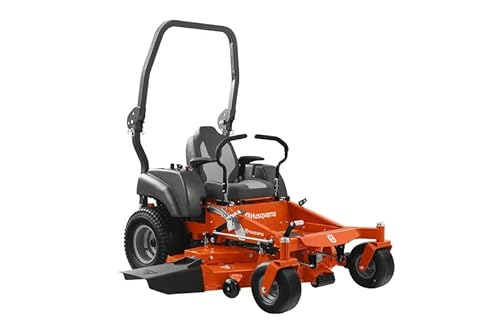 Best for large acreageHusqvarna MZ61 (61") 24HP Kawasaki Zero Turn Lawn Mower w/ROPSView on Amazon
- 5
 Best for heavy-duty useAriens Zenith 60 (60") 23.5HP Kawasaki Zero Turn Lawn MowerView on Amazon
- 6
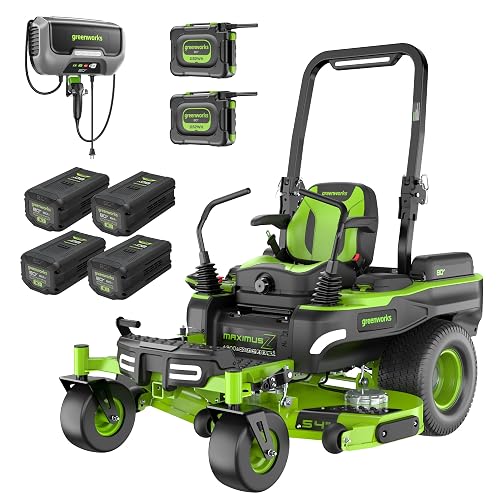 Best for quiet operationGreenworks 80V 54" MaximusZ Zero Turn Riding Lawn Mower, (2) 16.0Ah +View on Amazon
Our Top Picks
Quick Comparison
| Product | Best for | Key feature |
|---|---|---|
| Husqvarna Z254F 54 in. 23 HP Kawasaki Zero Hydrostatic Turn Riding Mower | Overall balance | 54-inch deck, hydrostatic drive |
| Husqvarna Special Edition Z242F (42″) 21.5HP Kawasaki Zero Turn Mower | Small yards | 42-inch deck, compact footprint |
| EGO Power+ Z6 Zero Turn Electric Riding Lawn Mower, 42″ Deck – ZT4214L | Battery power | Quiet, no gas or oil |
| Husqvarna MZ61 (61″) 24HP Kawasaki Zero Turn Lawn Mower w/ROPS | Large acreage | 61-inch deck, rollover protection |
| Ariens Zenith 60 (60″) 23.5HP Kawasaki Zero Turn Lawn Mower | Heavy-duty use | 60-inch deck, commercial-style build |
| Greenworks 80V 54″ MaximusZ Zero Turn Riding Lawn Mower | Quiet operation | Dual battery, 54-inch deck |
Husqvarna Z254F 54 in. 23 HP Kawasaki Zero Hydrostatic Turn Riding Mower
Husqvarna Z254F 54 in. 23 HP Kawasaki Zero Hydrostatic Turn Riding Mower
Best for: Overall balance
This suits homeowners with mid-sized lawns who want a wide deck without moving into commercial territory.
Pros
- 54-inch deck covers ground quickly
- Hydrostatic drive gives smooth speed control
Cons
- Heavier footprint than smaller models
Husqvarna Special Edition Z242F (42″) 21.5HP Kawasaki Zero Turn Mower
Husqvarna Special Edition Z242F (42") 21.5HP Kawasaki Zero Turn Mower
Best for: Small yards
A good fit for lawns of roughly half an acre where tight turns around beds and trees matter more than speed.
Pros
- 42-inch deck fits narrower gates and paths
- Compact frame is easier to store
Cons
- Slower on large open areas
EGO Power+ Z6 Zero Turn Electric Riding Lawn Mower, 42″ Deck – ZT4214L
EGO Power+ Z6 Zero Turn Electric Riding Lawn Mower, 42" Deck – ZT4214L
Best for: Battery power
Owners who want zero-emission operation and low noise, and who can plan mowing around battery runtime, will find this a strong option. Lawn Mower for Sale Zero Turn: 7 Best Picks Compared (2026) goes further into this.
Pros
- No gas, oil or fuel mixing
- Quieter than most gas zero-turns
Cons
- Runtime limits very large lawns in one session
Husqvarna MZ61 (61″) 24HP Kawasaki Zero Turn Lawn Mower w/ROPS
Husqvarna MZ61 (61") 24HP Kawasaki Zero Turn Lawn Mower w/ROPS
Best for: Large acreage
Best suited to properties of an acre or more, where a 61-inch cut and rollover protection structure (ROPS) matter for sloped ground.
Pros
- 61-inch deck cuts wide swaths
- ROPS adds operator protection
Cons
- Large size needs a wide trailer or garage bay
Ariens Zenith 60 (60″) 23.5HP Kawasaki Zero Turn Lawn Mower
Ariens Zenith 60 (60") 23.5HP Kawasaki Zero Turn Lawn Mower
Best for: Heavy-duty use
Aimed at frequent, long mowing sessions where a sturdier frame and deck matter more than a light footprint.
Pros
- 60-inch deck with heavy-gauge construction
- Kawasaki engine is widely serviced
Cons
- Heavier and pricier to transport
Buying Guide
Deck Size and Yard Area
Deck width is the first thing to match to your lawn. Smaller decks around 42 inches suit yards of a half acre or less, while 54 to 61 inch decks cut more ground per pass and work better on larger properties with few tight spots.
Wider decks save time on open lawns, but they can be harder to maneuver around tight beds, fences and trees. Think about the shape of your yard, not just its size.
Engine Power or Battery Capacity
Gas models are typically rated in horsepower, and higher numbers generally mean more capacity for thick grass, slopes and heavy use. Electric models are rated by battery voltage and amp-hours, and more battery capacity means longer run time per charge.
If you have a large lawn, make sure the power source you choose can finish the job without frequent stops for refueling or recharging.
Build Quality and Drive System
Look at the frame, deck construction and the drive system that controls the two independent levers. Hydrostatic transmissions are known for smooth, consistent speed control, which many owners prefer for frequent turning and mowing around obstacles.
Check the warranty coverage on the engine, transmission and deck, since these parts take the most wear over the life of a zero-turn mower.
Comfort and Operator Features
You will spend a lot of time seated on a zero-turn, so seat padding, adjustable controls and ease of getting on and off all matter. Features like a rollover protection structure, or ROPS, add safety on slopes and uneven ground.
Cup holders, dash layout and the height of the steering levers may seem minor on paper but make a noticeable difference over a long mowing session.
Maintenance and Serviceability
Consider how easy it is to reach the oil fill, air filter, blades and belts. Dealer support and parts availability in your area can also affect how smoothly ownership goes after the first season.
Electric models generally need less routine maintenance than gas engines, though battery replacement eventually becomes a cost to plan for.
FAQ
What size zero-turn mower do I need for my yard?
For smaller residential lawns, a 42 inch deck is usually enough to cover ground efficiently without being hard to maneuver. Larger properties with more open space tend to benefit from 54 to 61 inch decks, which cut more area per pass.
Is a zero-turn mower harder to learn than a regular riding mower?
Most people adjust within a few mowing sessions, though the independent levers take some getting used to. Practicing on an open area before tackling tight spots can help build confidence quickly.
Are electric zero-turn mowers strong enough for thick grass?
Electric models handle regular maintenance mowing well, especially on smaller to medium lawns. Very thick, tall or heavily sloped grass may still favor a gas engine with higher horsepower.
How often do zero-turn mowers need maintenance?
Gas models generally need oil changes, air filter checks and blade sharpening at regular intervals, often after a set number of hours or at the start of each season. Electric models have fewer routine tasks but require attention to battery charging habits and eventual battery replacement.
Should I buy a zero-turn mower with a ROPS?
A rollover protection structure adds a meaningful layer of safety, especially if your yard has slopes, ditches or uneven terrain. It is worth prioritizing if you regularly mow on hills or near drop-offs.
Conclusion
Buyers with larger properties who want the most cutting capacity and a smooth hydrostatic ride should look at the bigger gas models in this list. Those with smaller or mid-sized yards who prefer quieter, low-maintenance operation will likely be happiest with the electric option.
For a balance of power and maneuverability, a mid-size gas zero-turn is a practical choice for many homeowners, while anyone with tight spaces or a shorter mowing schedule may find a compact model more comfortable to live with day to day.
Related reading
- Used Zero Turn Lawn Mower Sale: How to Find and Buy a Good One
- Zero Turn Lawn Mower Used: How to Buy a Good One Safely (2026)
- Used Riding Lawn Mower Sale: How to Buy a Good Used Mower in 7 Steps
- Used Ride on Lawn Mower Sale: How to Find a Good Deal in 2026
About Graham Fisher
Graham Fisher is part of our editorial team and reviews and edits our lawn mowers guides, checking product details against manufacturer specifications and owner feedback.