
 By Colin Foster
Updated November 2026
A brand new riding lawn mower won’t start, and the frustration is real. Because the machine is new, most owners expect it to fire up on the first try, so a no-start often points to a short list of causes: a loose or undercharged battery, a seized or worn starter, a bad solenoid, a fuel or choke issue, or a safety interlock that is not satisfied. This list covers seven products that address the starting system or help you diagnose it. Each was selected by looking at listing specifications, brand reputation for riding mower components, and patterns in what owners commonly report about fit and reliability. None of these were tested by us, and the picks below are meant to narrow your options, not replace a proper diagnosis.
Our top picks at a glance
- 1
 TOP CHOICEBest overallLawn Mower Won't Start diagnostic guideView on Amazon
- 2
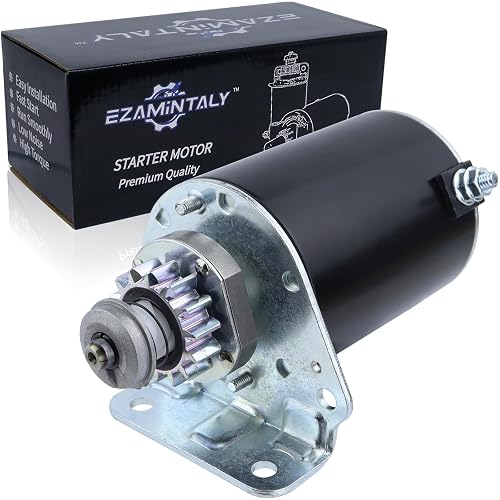 TOP CHOICEBest for Troy Bilt and Bronco ownersTroy Bilt Bronco 14-tooth starter for 42-inch modelsView on Amazon
- 3
 TOP CHOICEBest for self-propelled walk-behind owners24 in. 201cc Electric Start Select PACE self-propelled mowerView on Amazon
- 4
 Best for multi-brand Briggs and Stratton fitsBriggs and Stratton Motor Starter 593934View on Amazon
- 5
 Best for Intek OHV engines14 Tooth Starter Motor for 42-inch Troy Bilt BroncoView on Amazon
- 6
 Best for John Deere and Cub Cadet fits5746N 16T Starter Motor for John Deere and Cub CadetView on Amazon
- 7
 Best budget pickGear Starter 5742N 16 Teeth ReplacementView on Amazon
Our Top Picks
| Product | Best for | Key feature |
|---|---|---|
| Lawn Mower Won’t Start diagnostic guide | Systematic troubleshooting | Covers push, riding, and zero-turn mowers |
| Troy Bilt Bronco 14-tooth starter | 42-inch Troy Bilt Bronco and Pony owners | 14-tooth gear for 17.5–20 HP engines |
| 24 in. 201cc self-propelled mower | Walk-behind self-propelled owners | Electric start with 6-speed CVT |
| Briggs and Stratton motor starter 593934 | Multi-brand Briggs fitment | Wide cross-reference for 12–21 HP engines |
| 14 Tooth Starter Motor (Intek) | Intek OHV engine owners | Direct replacement for Intek IC OHV |
| 5746N 16T starter motor | John Deere and Cub Cadet owners | 16-tooth, 12V high-torque design |
| Gear starter 5742N 16 teeth | Budget replacement | Cross-referenced to several part numbers |
Lawn Mower Won’t Start diagnostic guide
Lawn Mower Won't Start: A Diagnostic Guide for Push, Riding, and Zero-Turn Mowers (Engine Won't Start Series)
Best for: Systematic troubleshooting before buying parts
This is a printed-style guide aimed at owners who want to work through causes in order rather than guess. It is a useful first purchase if you are not yet sure whether the battery, starter, or fuel system is at fault, and it covers push, riding, and zero-turn mowers.
Key specs:
- Covers push, riding, and zero-turn mowers
- Organized around symptoms such as no crank, clicking, or turning over without starting
Pros:
- Helps prevent buying a part you do not need
- Applies across mower types and brands
- Low-risk first step before any repair
Cons:
- Does not replace hands-on testing with a multimeter
- General rather than specific to one model
Bottom line: Best for owners who want a structured checklist before spending on parts.
Troy Bilt Bronco 14-tooth starter for 42-inch models
for Troy Bilt 42 inch Bronco, Pony Riding Lawn Mower Tractors 17.5HP 18HP 18.5HP 19HP 19.5HP 20HP, 14 Teeth Starter Replacement for Briggs and Stratton Intek IC OHV Engine
Best for: Troy Bilt Bronco, Pony, and similar 42-inch tractors with Briggs and Stratton Intek engines
Owners of 42-inch Troy Bilt Bronco and Pony tractors often find that the starter drive is the wear point when the engine cranks slowly or grinds without catching. This listing is specifically aimed at that fitment.
Key specs:
- 14-tooth starter gear
- Listed for 17.5 to 20 HP Briggs and Stratton Intek IC OHV engines
- Designed for 42-inch deck tractors
Pros:
- Specific model fitment for a common deck size
- Addresses a frequent starter-drive wear point
- Straightforward direct replacement
Cons:
- Fits a narrower range of machines than universal options
- Confirm your engine model number before ordering
Bottom line: The right pick for a 42-inch Troy Bilt Bronco or Pony owner whose engine cranks but does not engage.
24 in. 201cc Electric Start Select PACE self-propelled mower
24 in. 201cc Electric Start Select PACE 6 Speed CVT High Wheel RWD 3-in-1 Gas Walk Behind Self Propelled Lawn Mower w/Blower
Best for: Owners who want an electric-start self-propelled walk-behind as a backup or replacement
This is a walk-behind rather than a riding mower, but it is included for owners who want a dependable electric-start machine for smaller lawns or as a secondary unit while the riding mower is diagnosed.
Key specs:
- 24-inch cutting width
- 201cc engine with electric start
- 6-speed CVT self-propelled drive
- Includes a blower function
Pros:
- Electric start removes pull-cord strain
- Variable-speed CVT drive suits varied terrain
- Useful backup while the riding mower is repaired
Cons:
- Not a riding mower, so it covers less ground per hour
- Smaller deck than most riding units
Bottom line: A sensible alternative for smaller lawns or a backup machine, not a direct fix for a riding mower.
Briggs and Stratton Motor Starter 593934
Briggs and Stratton Motor Starter 593934 693551 12HP-21HP Fit 31C707 31R907 31P777 John Deere Z225 D105 L100 Troy Bilt Craftsman DLT-3000 Husqvarna PP19A42 YTH18542 MIA13018 SE501848 5777N
Best for: Owners of Briggs and Stratton-powered riding mowers across several brands
This starter motor lists a broad set of cross-referenced part numbers and engine ranges, which makes it useful when the original number is worn off or hard to read.
Key specs:
- Listed for 12 to 21 HP engines
- Cross-referenced to multiple riding mower brands
Pros:
- Broad cross-reference list
- Helpful when the original part number is unreadable
- Covers a wide engine range
Cons:
- Broad fitment means you must match numbers carefully
- Owners sometimes report needing to verify the drive gear type
Bottom line: Good for owners who need to match a starter by cross-reference rather than by a single brand.
14 Tooth Starter Motor for 42-inch Troy Bilt Bronco
14 Tooth Starter Motor for 42 Cut Troy Bilt Bronco, Pony Lawn Mower Tractors Replace Briggs Stratton CMXGRAM1130037 CMXGRAM1130036 13AN77XS093 Intek IC OHV Engine
Best for: Intek OHV engine owners who want a direct replacement by part number
This listing cross-references several Briggs and Stratton Intek part numbers, making it a candidate when the original starter has failed on a 42-inch Troy Bilt or Pony tractor.
Key specs:
- 14-tooth gear
- Cross-referenced to Intek IC OHV engine part numbers
Pros:
- Clear part-number cross-reference
- Targets a common Intek starter failure
- Suits 42-inch deck tractors
Cons:
- Narrow to Intek-equipped machines
- Compare the listed numbers against your old starter first
Bottom line: A strong option for an Intek owner who has already confirmed the starter is the problem.
5746N 16T Starter Motor for John Deere and Cub Cadet
5746N 16T Starter Motor for Direct Replacement for Briggs and Stratton Starter(393499/497401/494198) Fitting John Deere/Cub Cadet/Toro/Scotts mowers,12V high-Torque Power
Best for: John Deere, Cub Cadet, Toro, and Scotts mower owners needing a 16-tooth direct fit
Owners of several major mower brands often need a 16-tooth starter, and this listing is aimed at that group with a 12-volt, higher-torque design.
Key specs:
- 16-tooth gear
- 12V starter motor
- Listed for John Deere, Cub Cadet, Toro, and Scotts mowers
Pros:
- Common 16-tooth fit across several brands
- Labeled as high-torque for stronger cranking
- Direct replacement for matching machines
Cons:
- Fit depends on the specific engine and drive
- Verify the original tooth count before buying
Bottom line: A logical choice for John Deere or Cub Cadet owners who have confirmed a 16-tooth starter.
Gear Starter 5742N 16 Teeth Replacement
Gear Starter 5742N 497595 16 Teeth – Replacement for Briggs and Stratton 7HP-18HP, John Deere, Cub Cadet, Toro Mowers and Tractors – Replaces 497594, 390838, 391423, AM122337
Best for: Budget-minded owners replacing a starter on a Briggs and Stratton-powered machine
This gear starter is a cost-conscious option for owners who have diagnosed a worn starter and want a replacement that cross-references several part numbers.
Key specs:
- 16 teeth
- Cross-referenced to several Briggs and Stratton and related part numbers
- Listed for 7 to 18 HP engines
Pros:
- Budget-oriented choice among starter replacements
- Multiple cross-reference numbers
- Covers a broad horsepower range
Cons:
- Budget parts may vary in build quality
- Check the replaced numbers carefully
Bottom line: Worth considering for a straightforward starter swap where the budget is the priority.
Buying Guide
Confirm the starter is actually the problem
Before buying any part, distinguish between a no-crank, a click without cranking, and a crank without start. A slow crank points toward the battery or cables, a single click often points to the solenoid, and a grinding or spinning sound without engagement usually points to the starter drive. Check battery voltage with a multimeter; a fully charged 12-volt battery reads around 12.6 volts at rest, and readings well below that under load suggest a battery or connection problem. Consult a qualified small-engine technician if you are unsure, especially around fuel and electrical systems.
Good picks for this: Lawn Mower Won’t Start diagnostic guide, Gear Starter 5742N 16 Teeth Replacement
Match the tooth count and engine family
The number of teeth on the starter gear must match the flywheel ring gear, and the engine family must match the cross-reference. Common counts you will see are 14 and 16 teeth. Read the engine model number stamped on the engine shroud, not just the mower brand, because the same brand can use different engines across model years.
Good picks for this: 14 Tooth Starter Motor for 42-inch Troy Bilt Bronco, 5746N 16T Starter Motor
Check horsepower and deck size
Engine horsepower and deck width affect which starter specification applies. A 42-inch deck tractor commonly uses an engine in the high teens to around 20 HP, while larger tractors may use bigger engines. Starters rated for a wider range can work, but only when the cross-reference confirms your engine.
Good picks for this: Troy Bilt Bronco 14-tooth starter, Briggs and Stratton Motor Starter 593934
Use the original part number to cross-reference
If you can read the part number on the old starter, search it against the listing’s cross-reference numbers. Many replacement starters list several compatible numbers, which is useful when a part is discontinued. Compare voltage (most riding mowers use 12 volts) and the mounting bolt pattern as well.
Good picks for this: Briggs and Stratton Motor Starter 593934, 14 Tooth Starter Motor for Intek engines
Consider durability and build quality
Owners commonly report that starter motors wear at the drive gear and brushes after many hours of cranking. Budget parts can be perfectly adequate for occasional use, but a higher-torque design may be preferred for mowers used on large lawns or in cold weather. Check whether the listing describes the drive type and whether the seller states a warranty period.
Good picks for this: 5746N 16T Starter Motor, Gear Starter 5742N 16 Teeth Replacement
Factor in whether you need a backup machine
If the riding mower is your only machine, the time it spends in the shop can be a real problem during peak season. A secondary electric-start mower can cover smaller areas while the riding unit is diagnosed or repaired. Consider this if you mow more than a few acres or have a tight schedule.
Good picks for this: 24 in. 201cc Electric Start Select PACE self-propelled mower
Care to prevent a repeat no-start
A brand new mower that will not start is often caused by a battery that has discharged during storage, stale fuel, or a battery terminal that has loosened. Keep the battery on a maintainer during off-season storage, use fuel stabilizer if the mower will sit longer than about a month, and clean terminals annually. These steps reduce the chance that a starter repair is needed at all.
Good picks for this: Lawn Mower Won’t Start diagnostic guide, Briggs and Stratton Motor Starter 593934
FAQ
Why won’t my brand new riding lawn mower start?
The most common causes on new machines are a battery that discharged before delivery or during storage, a loose or corroded battery terminal, stale fuel, a blocked air filter, or a safety switch that is not engaged. Work through the battery and fuel first, then the starter and solenoid.
Can a new battery fix a mower that will not start?
Sometimes. A fresh battery solves the problem when the old one was discharged or failing. If the mower still does not crank with a fully charged battery, the problem is likely in the starter, solenoid, or wiring.
How do I tell if the starter or solenoid is bad?
A single click when you turn the key often points to the solenoid or a weak battery. No sound at all can point to a bad switch or wiring. A spinning sound without the engine cranking often points to the starter drive. A qualified small-engine technician can confirm with a voltage test.
Do I need to match the starter tooth count?
Yes. The starter gear must mesh with the flywheel ring gear, so the tooth count has to match the engine. Common counts are 14 and 16 teeth. Confirm before ordering.
Is a starter replacement a job I can do myself?
Many owners with basic tools can replace a starter, but it involves the battery, electrical connections, and fuel system on some models. Disconnect the battery before working on the electrical system, and consult a qualified small-engine technician if you are unsure.
Will fuel stabilizer help a new mower start?
It can help if the fuel has sat for a long time, since stale fuel is a common cause of hard starting. Fresh fuel and a clean air filter should be checked before you assume the starter is the issue.
Conclusion
When a brand new riding lawn mower will not start, the fastest path is a structured diagnosis: check the battery and terminals, then fuel, then the solenoid and starter. For owners who want a checklist, the diagnostic guide is the logical first purchase. Troy Bilt Bronco and Pony owners with an Intek engine should look at the 14-tooth starter options, while John Deere and Cub Cadet owners should confirm a 16-tooth fit. Budget-minded owners can consider the 5742N gear starter, and owners who need a backup machine may find the electric-start walk-behind useful. Verify tooth count, engine model, and part cross-references before buying.
Sources
- Consumer safety guidance on operating and storing power equipment safely (cpsc.gov)
- Background on battery care and storage practices (energy.gov)
- Workplace safety guidance on working with batteries and electrical equipment (osha.gov)
Related reading
- Riding Lawn Mower Won't Start With New Battery: 6 Best Replacement Parts (2026)
- Brand New Murray Lawn Mower Won't Start? 6 Best Parts & Fixes (2026)
- 6 Best Brand New Toro Lawn Mower Won't Start Fixes and Replacement Parts (2026)
About Colin Foster
Colin Foster is part of our editorial team and reviews and edits our lawn mowers guides, checking product details against manufacturer specifications and owner feedback.

